Emergency Radio in the US
When the power or the cell network goes down, a battery radio still brings you the news. A ham license lets you talk back, and help.
Try a Question · Technician Guide
What radio should I keep for emergencies?
A battery-powered or hand-crank radio, and a NOAA Weather Radio with tone alert, as Ready.gov's emergency kit list asks.
Ready.gov, Build a Kit, October 2026.
Can FRS, GMRS and CB help in an emergency?
Yes, between people nearby. On CB and GMRS, emergency messages come first on every channel, and CB keeps channel 9 for them. To reach the emergency services, call 911.
47 CFR 95.931(a) and 95.1731(a).
Talk Back and Help
- Across the country and beyond: Radio to radio, with no network needed.
- Messages in a disaster: When other networks fail, your license lets you carry messages for those responding.
- Train with ARES: Join your local ARES group and train for the day it's needed.
- Room to grow: Run up to 1,500 W, and open more of HF with General and Extra.
What is ARES?
The Amateur Radio Emergency Service: licensed hams who give their time, skills and radios to provide communications in emergencies, in local groups organized by the ARRL.
ARRL, ARES.
Can I join ARES?
Yes, once you're licensed, whether or not you join the ARRL. Register with your local Emergency Coordinator; some groups ask for training.
ARRL, ARES membership requirements.
What is SKYWARN?
The National Weather Service's volunteer storm spotters: between 350,000 and 400,000 of them. Training is free and takes about two hours, and anyone with an interest in public service can join.
National Weather Service, SKYWARN.
When It Counts
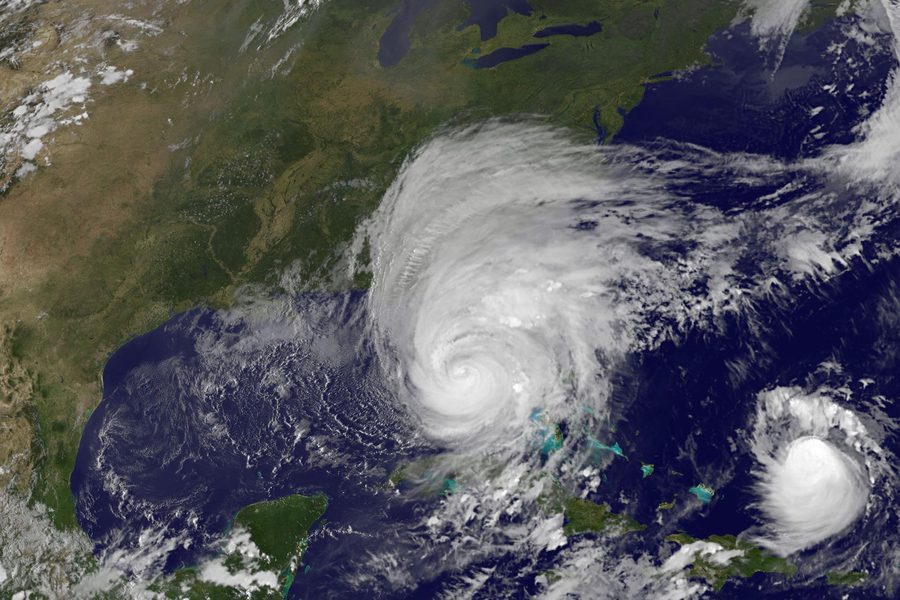

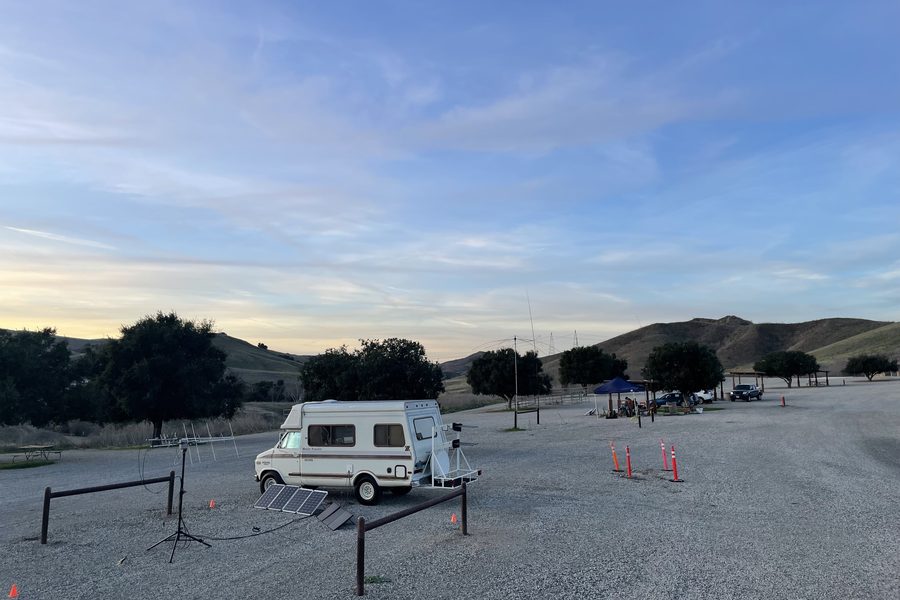

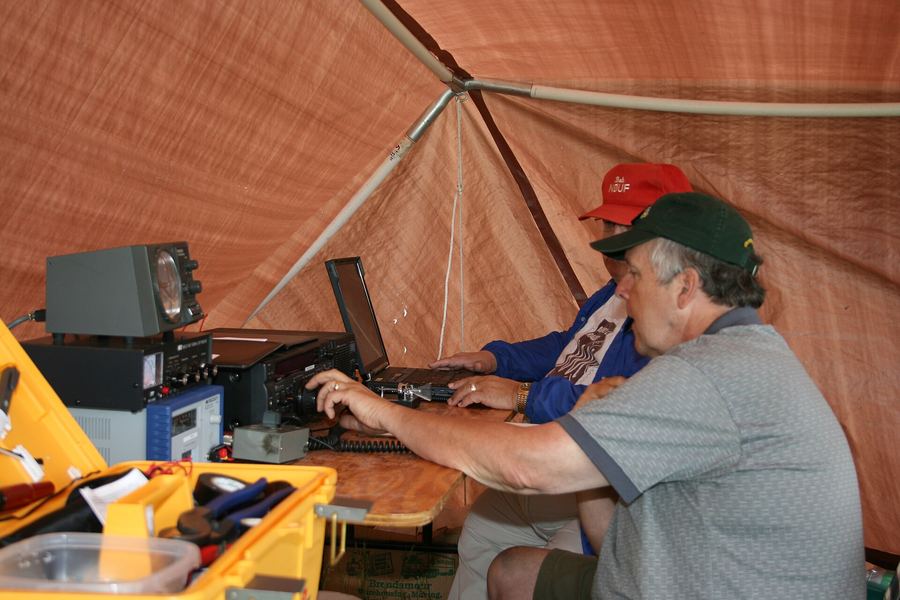

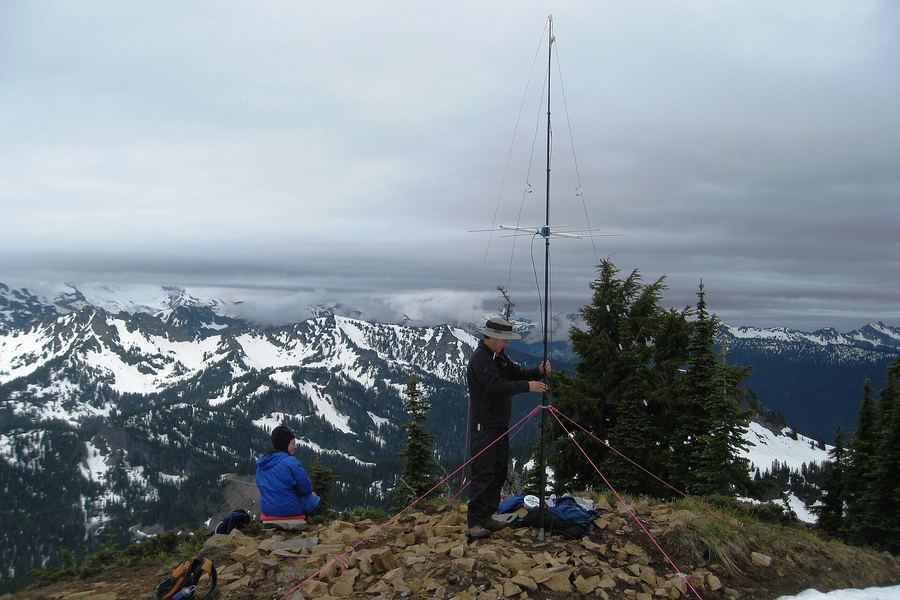

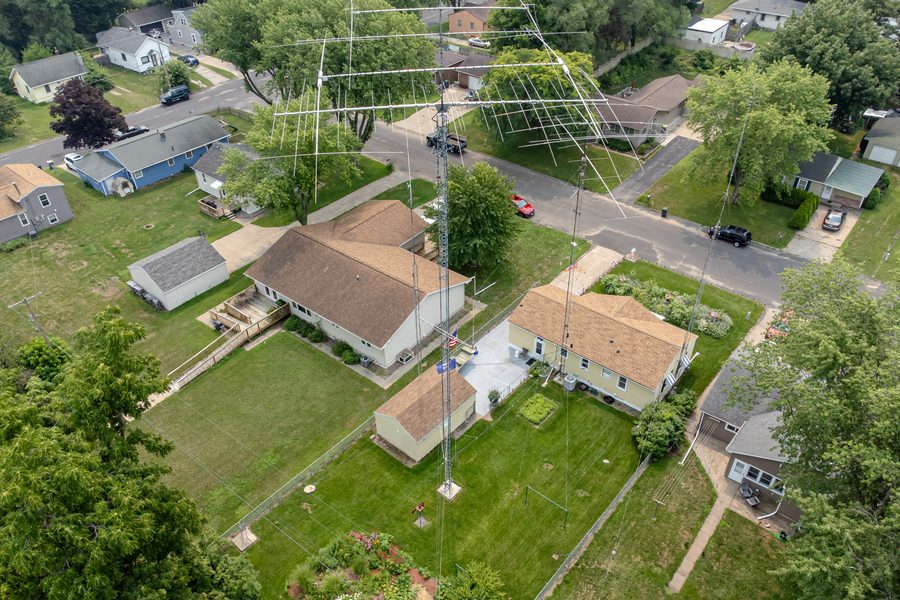

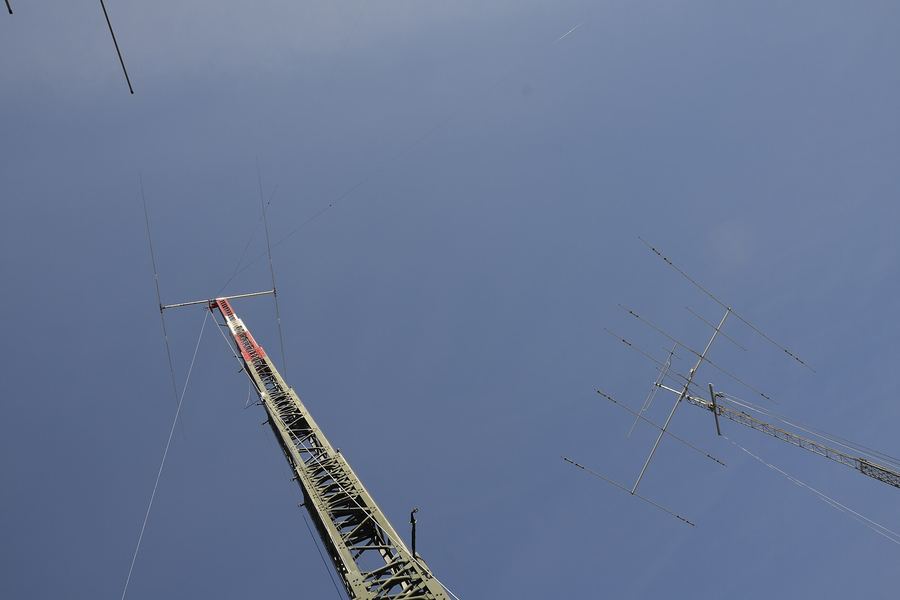

Some photos cropped or edited.
Get Your License
- Practice: Free practice exams, and every question in the Technician pool with its explanation.
- Find an exam session: Volunteer examiners hold sessions in person and online, usually for $15 or less. Get a free FCC Registration Number (FRN) first.
- Pass: 35 multiple-choice questions from the public Technician pool, and 26 right is a pass. No Morse code.
- Pay the FCC: $35 online. Your license and call sign last ten years, and you're on the air.
Try a Question · Technician Guide · ARES
More Guides
What Is Ham Radio? · GMRS · FRS · CB Radio · Your First Radio · FCC Amateur Rules