GMRS Radio
GMRS takes a $35 license and no exam: up to 50 W, with repeaters. One exam opens the amateur bands, from your town to the world.
Try a Question · Technician Guide
Do I need a license for GMRS?
Yes, from the FCC: $35 for ten years, with no exam. You need to be 18, and your license covers your immediate family too.
47 CFR 95.1705(a), (c) and (e); 1.1102.
What are the GMRS channels and power limits?
30 channels near 462 and 467 MHz. The 22 FRS channels are among them, shared with FRS radios.
| Channels | Frequencies | Power |
|---|---|---|
| 8 main, 462 MHz | 462.550 to 462.725 MHz | Up to 50 W |
| 8 main, 467 MHz | 467.550 to 467.725 MHz | Up to 50 W, to repeaters |
| 7 interstitial, 462 MHz | 462.5625 to 462.7125 MHz | 5 W |
| 7 interstitial, 467 MHz | 467.5625 to 467.7125 MHz | 0.5 W, handhelds |
47 CFR 95.1763 and 95.1767.
How do GMRS repeaters work?
A repeater listens on a 467 MHz main channel and sends you out again on its 462 MHz partner, from a high site, so a handheld reaches much further. A repeater's owner can choose who uses it.
47 CFR 95.1705(d) and 95.1763.
Will my GMRS radio work on the ham bands?
No. A GMRS radio is certified for GMRS alone: the FCC won't certify one that also covers the amateur bands. A ham handheld costs less than $40.
47 CFR 95.1761(c).
Go Further with a License
The bands on a Technician license, from 80 m to 3 cm (and more above). CB, FRS and GMRS are marked below the line.
- Every band above 30 MHz: Your first license opens every amateur band from 6 m up to microwaves, and parts of HF.
- Talk around the world: Reach other countries and continents, from home or out in the field.
- Room to grow: Run up to 1,500 W, and open more of HF with General and Extra.
- Satellites and the ISS: Work amateur satellites as they pass overhead, and even the International Space Station.
- Digital modes: FT8 and other data modes pull out signals too weak to hear.
- Build and experiment: Your license is for learning, so build, modify and experiment as you like.
On the Air
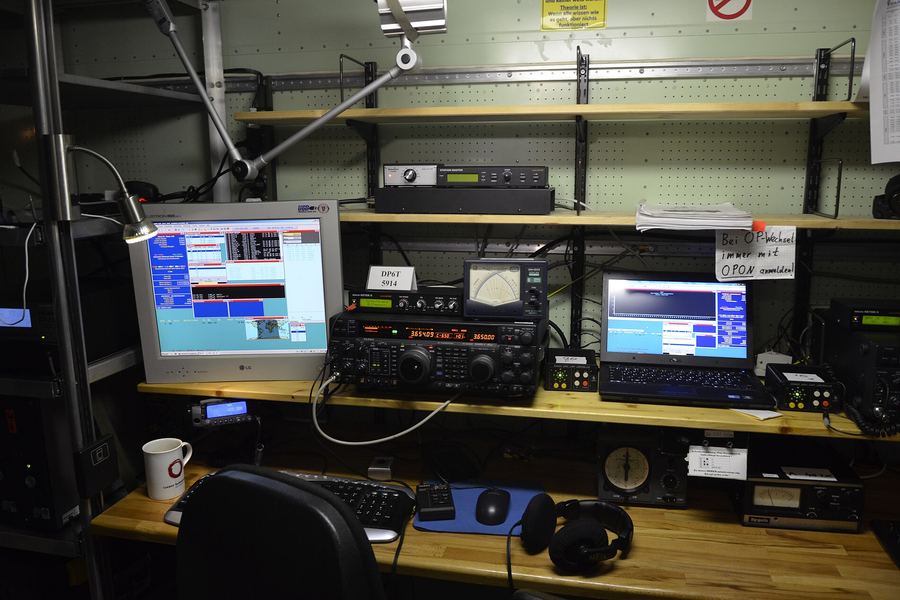

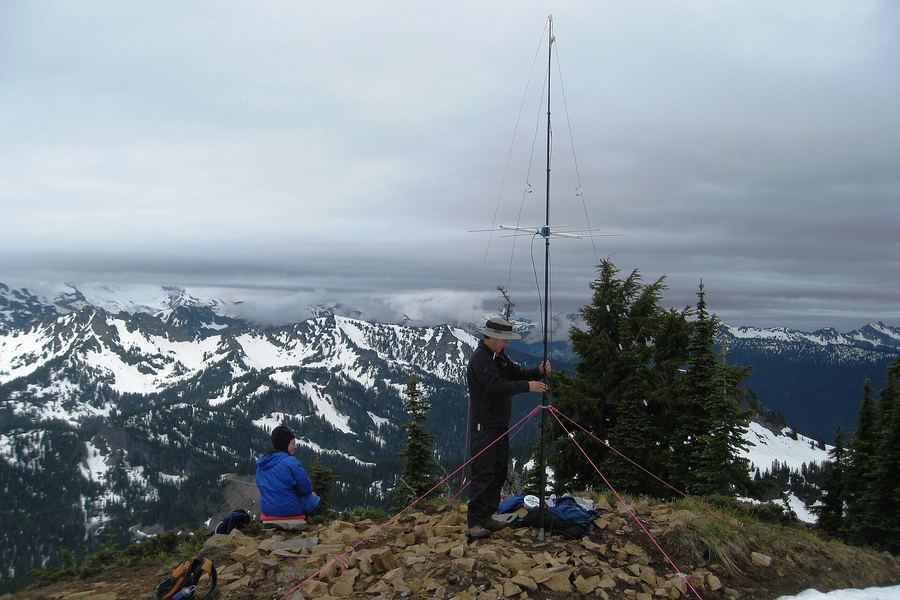

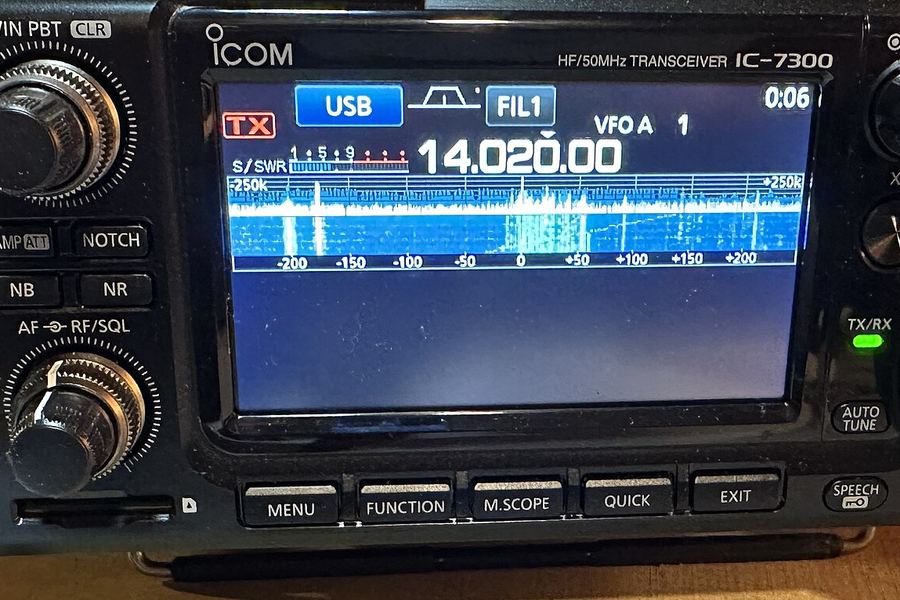

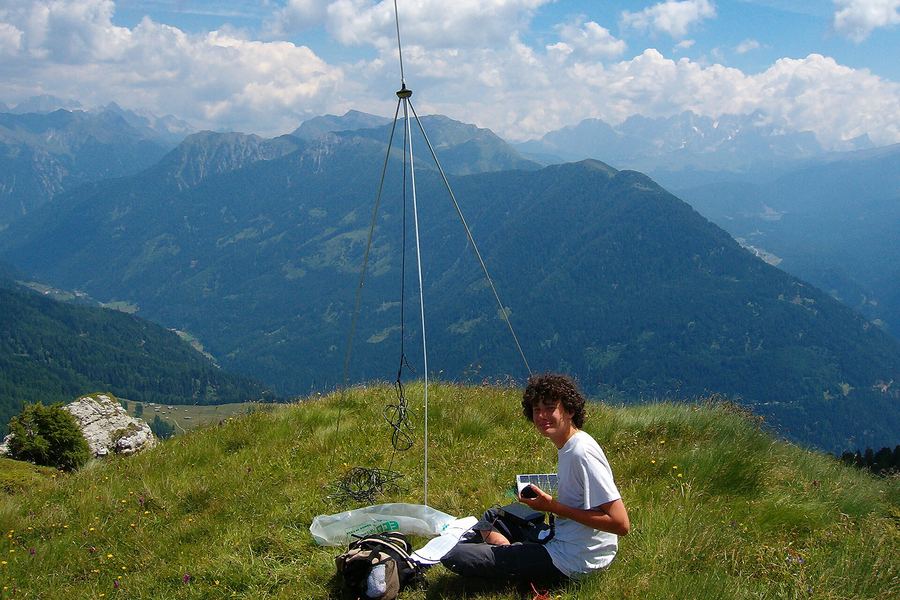

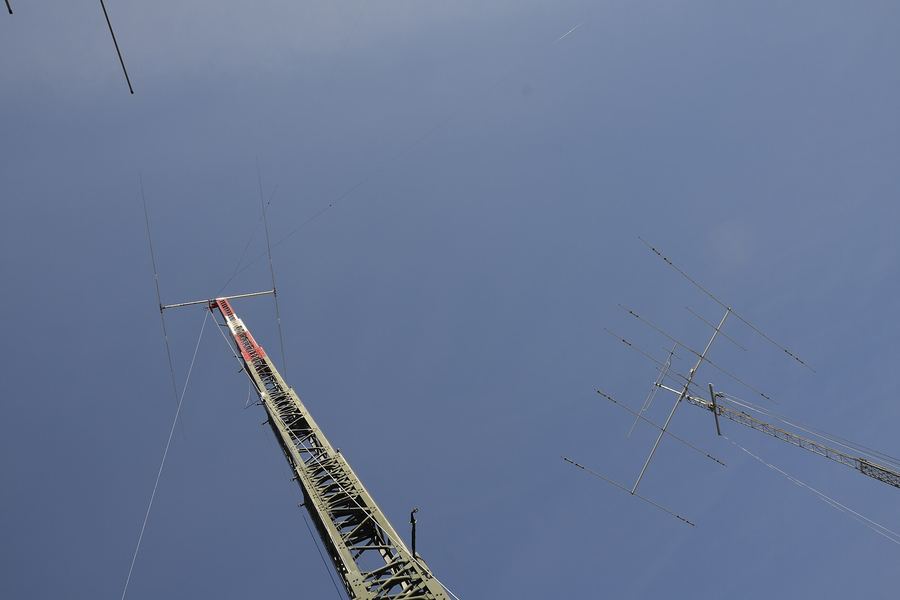

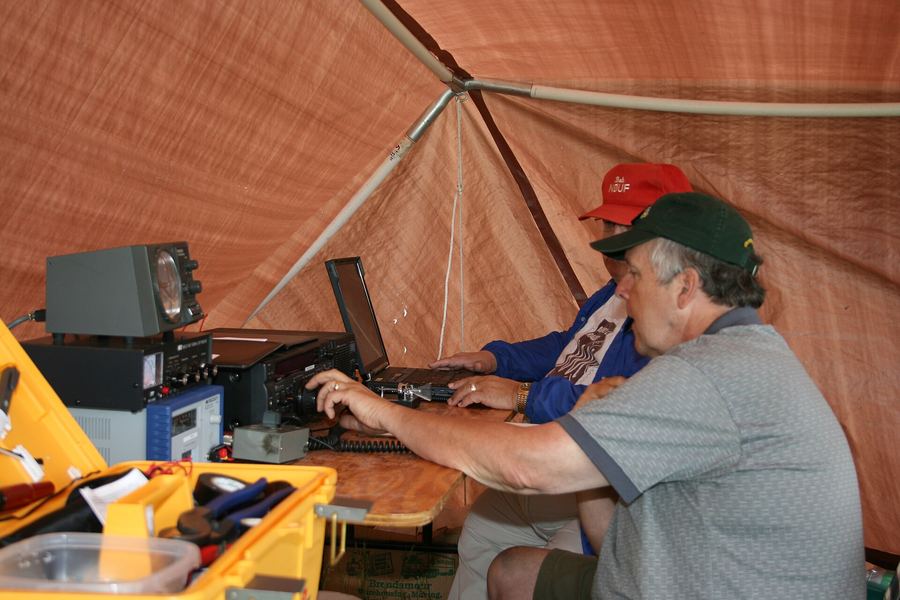

Some photos cropped or edited.
Get Your License
- Practice: Free practice exams, and every question in the Technician pool with its explanation.
- Find an exam session: Volunteer examiners hold sessions in person and online, usually for $15 or less. Get a free FCC Registration Number (FRN) first.
- Pass: 35 multiple-choice questions from the public Technician pool, and 26 right is a pass. No Morse code.
- Pay the FCC: $35 online. Your license and call sign last ten years, and you're on the air.
Try a Question · Technician Guide
More Guides
What Is Ham Radio? · FRS · CB Radio · Emergency Radio · Your First Radio · FCC Amateur Rules